
Friday afternoon in a restaurant kitchen usually smells of stock, bleach, and damp cardboard. Tucked behind the pass or jammed into an office no bigger than a larder, there is almost always a spike file holding twenty crumpled delivery notes. If you want to reclaim your kitchen: automate restaurant supplier invoices for profit rather than spending your Sunday mornings cross-referencing butcher dockets against bank transactions.
Most independent operators accept this paperwork routine as an inevitable tax on hospitality. It starts when a delivery arrives at 6:30 in the morning. The kitchen porter signs whatever slip the driver shoves across the counter, often while hauling crates of milk into the cold room. Nobody checks whether the price of ribeye quietly jumped forty pence a kilo since Tuesday. The slips pile up on a clipboard, gather grease, and wait for the owner to sit down with a spreadsheet.
The actual cost of paper dockets
Paperwork does not just take time. It leaks cash in tiny, annoying increments.
First comes the double-handling. An invoice arrives by email as a PDF, or on paper with the delivery driver. Someone opens it, types the total into Xero or QuickBooks, keys in the VAT, and assigns it to food costs. If that person is tired after a seventy-hour week, a typo happens. A six becomes an eight. An extra zero slips onto a dry-goods total.
Second comes the reconciliation problem. The invoice from the fishmonger says twelve kilograms of sea bass, but the kitchen only received ten because two were rejected on arrival. The chef scrawled that credit note on a ripped piece of order pad that never made it into the office. You end up paying for fish you never served.
Industry benchmarks show businesses that automate invoice processing report an average 80% reduction in errors. When you run on three-to-eight percent net margins, eliminating supplier overcharges and avoided duplicate payments drops straight to your operating profit.
How the automated pipeline actually works
You do not need an enterprise IT department or custom software built from scratch to fix this. You need a clean, reliable pipeline that joins your email inbox, a mobile scanner, and your accounting platform.
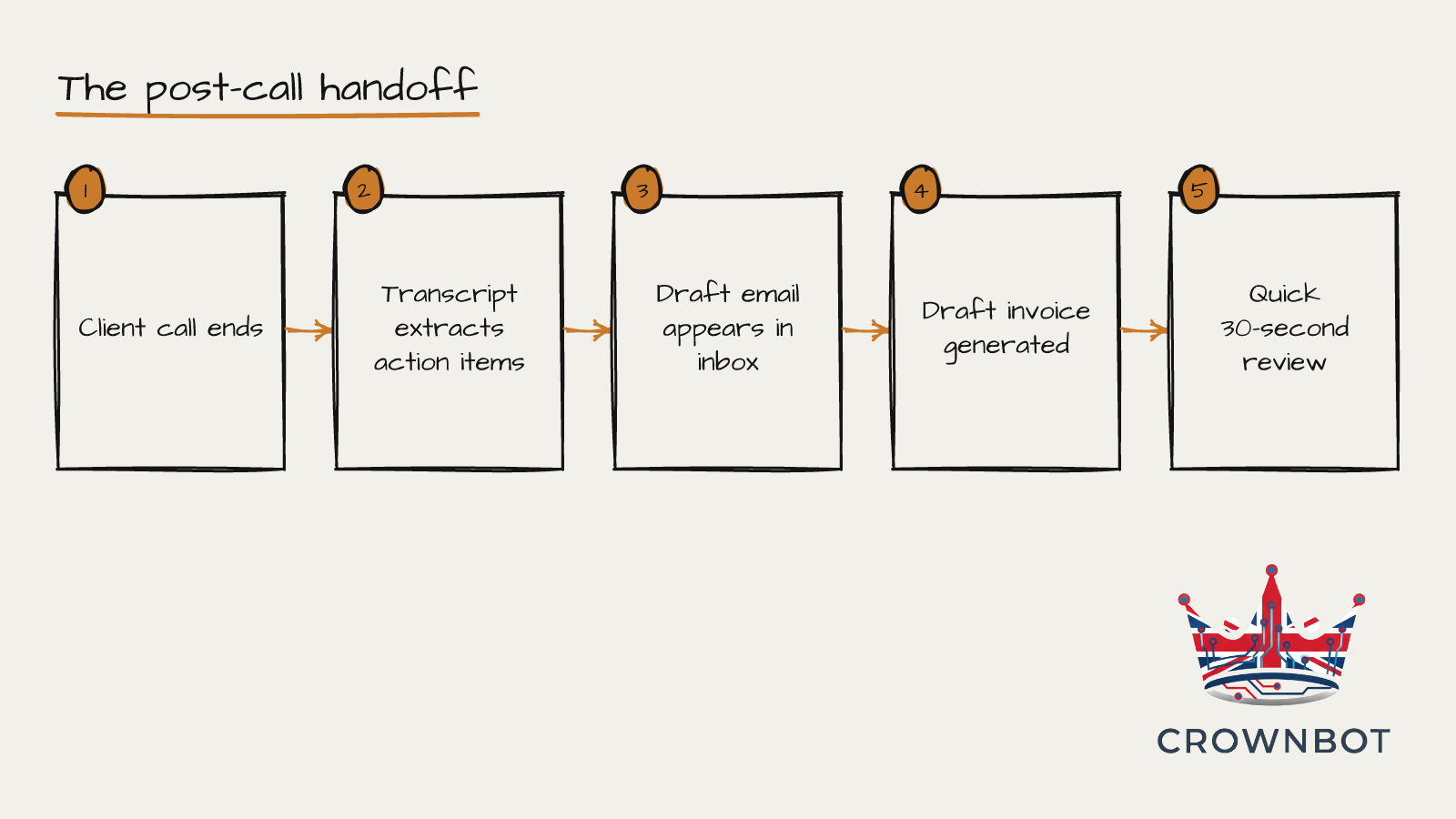
Here is the real sequence:
- Capture at the door. When dry goods or meat land, the duty manager snaps a photo of the paper delivery docket using a phone app, or forwards the supplier PDF to a dedicated inbox.
- Optical extraction. Software reads the document, extracting the supplier name, invoice date, line items, quantities, VAT breakdown, and bank details. Modern machine learning models read uneven lines, slight coffee stains, and odd font choices without breaking.
- Two-way matching. The system checks the invoice against your original purchase order or agreed price book. If the butcher billed your ribeye at the contracted rate, the invoice passes through. If the unit price jumped without notice, the system flags that line and holds the invoice for a human glance.
- Account sync. Clean, approved data routes straight into your purchase ledger with the original image attached.
Nobody sits down to type invoice numbers. Nobody keys in invoice dates. You only look at the documents where something went wrong.
What five to ten hours a week actually buys back
The most direct gain is the five to ten hours every single week that owners typically spend chasing paper.
Think about what five hours a week looks like in practice. That is twenty hours a month. It is the difference between working the floor on a busy Saturday service and being stuck in the back office swearing at an uncooperative receipt scanner. It is the time needed to review staff rotas properly, negotiate better wholesale rates on spirits, or simply leave the building before midnight.
There is also a cash flow benefit that gets overlooked. When invoices sit in a stack waiting for the end-of-month scramble, you have no clear view of your supplier liabilities until thirty days later. You might think you had a profitable month until twenty grand of overdue meat and wine bills land on your desk simultaneously. Automating data capture gives you a near real-time view of your cost of goods sold. You know what you owe before the statements arrive.
Early settlement discounts are another casualty of manual entry. Many suppliers offer two or three percent off if you settle within seven days. When your processing pipeline takes two weeks just to get dockets approved, those discounts vanish. On twenty thousand pounds of monthly food spend, a two percent discount pays for your entire software stack several times over.
Moving away from the manual back office
Transitioning away from paper does not require stopping service or retraining your entire front-of-house team on complicated new systems.
Start small. Pick your two largest suppliers by transaction volume. Usually, that is your fresh produce supplier and your main butcher or fishmonger. These two typically generate the highest volume of paper dockets and the highest frequency of small price adjustments.
Set up a dedicated processing inbox for their electronic bills. Put a simple phone-capture habit in place for their paper delivery notes. Once that loop runs cleanly for two weeks and pushes data straight to your ledger, add your dry goods, beverage suppliers, and laundry services.
If you want to stop sorting paper on your days off and reclaim your kitchen: automate restaurant supplier invoices for profit and get your evenings back.
Look at your current supplier list this week. Count how many physical invoices hit your desk over the last fourteen days, pick out the two vendors giving you the most administrative grief, and map out the exact path those paper slips take from the loading bay to your bank balance.